What Are the Biggest Challenges in Hospital Design in Delhi Today?
Introduction:
Designing hospitals in a city like Delhi is, well, not as straightforward as it may seem. On the surface, it might look like just another building type ; but honestly, it’s far more complex than that. Hospitals are not just spaces; they are environments where life-saving decisions happen every single minute. And because of that, every design choice carries a lot of weight.
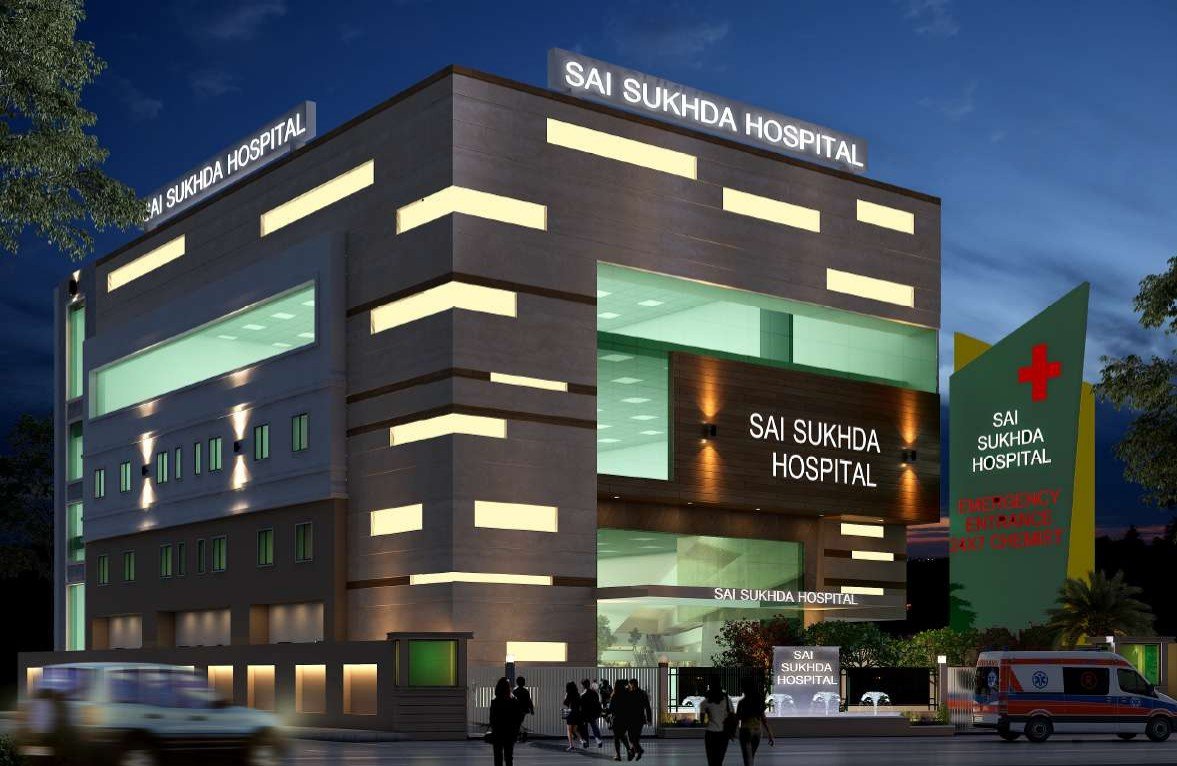
Delhi, in particular, presents its own unique set of challenges. With a dense population, limited land availability, rising pollution levels, and increasing healthcare demands, hospital design here requires, truly, a very careful and well-thought-out approach.
Firms like Renascent Consultation are actively working in this space, trying to balance functionality with patient experience ; which, honestly, is not easy at all.
So, let’s break down some of the biggest challenges shaping hospital design in Delhi today.
1. Space constraints in an already crowded city
One of the most obvious challenges is, well, space.
Delhi is already densely built, and finding large parcels of land for hospitals is becoming increasingly difficult. Most new projects either have to fit into tight urban plots or redevelop existing sites.
This creates a major design challenge ; how do you accommodate everything a hospital needs within a limited footprint?
Hospitals require:
- Emergency zones
- OPDs
- ICUs
- Diagnostic areas
- Waiting spaces
And all of this needs to be connected in a way that is efficient and easy to navigate.
In such cases, vertical planning becomes necessary. But then again, vertical hospitals come with their own complications ; especially when it comes to movement of patients, staff, and equipment.
So yes, space is not just a constraint, it’s a constant design puzzle.
2. Managing patient flow and circulation
Hospitals are, quite literally, high-traffic environments.
At any given time, you have patients, doctors, nurses, visitors, support staff, and emergency cases all moving through the same building. If circulation is not planned properly, it can quickly become chaotic.
One of the biggest challenges is separating different types of movement:
- Emergency vs general patients
- Staff vs visitors
- Clean vs contaminated flows
If these overlap, it can lead to delays, confusion, and even health risks.
Designing clear, intuitive circulation paths is, therefore, extremely important. But in a compact urban setting like Delhi, achieving that without compromising space is, honestly, quite tricky.
This is where experienced firms like Renascent Consultation focus heavily ; ensuring that movement within the hospital feels smooth, even if the building itself is complex.
3. Keeping up with constantly evolving medical technology
Healthcare is one of the fastest-evolving sectors.
New equipment, new treatment methods, and new technologies are constantly being introduced. And the problem is ; hospital buildings don’t get redesigned every few years.
So the challenge becomes: how do you design a hospital today that will still function efficiently 10–15 years from now?
This requires flexibility in planning.
Spaces need to be adaptable. Structural systems should allow modifications. Services like electrical, HVAC, and plumbing must be designed with future upgrades in mind.
Without this, hospitals can become outdated very quickly.
And honestly, designing for something that doesn’t even exist yet ; that’s probably one of the toughest parts.
Also Read: Hospital Design in India for Patient Centric and Future Ready Healthcare Spaces
.
4. Infection Control And Hygiene Design
Post-pandemic, infection control has become, truly, a central focus in hospital design.
Hospitals need to minimise the risk of cross-contamination. This means:
- Proper zoning
- Controlled ventilation systems
- Easy-to-clean surfaces
- Isolation areas
Even small design decisions ; like the width of corridors or placement of handwash stations ; can impact hygiene levels.
In a city like Delhi, where patient volumes are high, maintaining these standards becomes even more challenging.
Designers now have to think not just about function, but about safety at a very detailed level.
5. Balancing Patient Comfort With Clinical Efficiencyy
This is where things get, well, a bit tricky.
Hospitals need to be highly functional and efficient. But at the same time, they should not feel cold, intimidating, or stressful for patients.
There’s a growing emphasis on creating healing environments ; spaces that feel calm, well-lit, and comfortable.
This includes:
- Natural light
- Quiet waiting areas
- Better room layouts
- Use of soothing materials
But achieving this while maintaining strict medical requirements is not easy.
You can’t compromise on efficiency. But you also can’t ignore the patient experience.
Firms like Renascent Consultation are, in fact, trying to strike this balance ; designing hospitals that function well but also feel more human.
6. Sustainability And Energy Demands
Hospitals are among the most energy-intensive buildings.
They operate 24/7, require constant air conditioning, and use a lot of equipment. This leads to high energy consumption and operational costs.
In a city like Delhi, where environmental concerns are already significant, sustainability becomes an important factor.
But implementing sustainable solutions in hospitals is not always straightforward.
For example:
- Natural ventilation is limited due to hygiene needs
- Energy systems must be highly reliable
- Backup systems are mandatory
So the challenge is finding ways to reduce environmental impact without affecting performance.
And honestly, that balance is still evolving.
7. Navigating Strict Regulations And Approvals
One thing that often gets overlooked ; but honestly, it’s quite critical ; is the regulatory side of hospital design.
When we design hospitals in Delhi, we have to work within multiple layers of codes, approvals, and compliance requirements — something that is often highlighted as a major challenge in healthcare projects.
And the tricky part? These regulations are not always flexible.
We often find ourselves balancing:
- Compliance requirements
- Site limitations
- Functional efficiency
Even a small design change can impact approvals, timelines, and sometimes even budgets.
At Renascent Consultation, we’ve realised that designing a hospital is not just about creativity ; it’s equally about understanding systems, processes, and how to navigate them smoothly.
8. Infrastructure Limitations Around Hospital Sites
A hospital doesn’t function in isolation ; and this is something we, quite literally, see in almost every project.
The surrounding infrastructure plays a huge role. In Delhi, this becomes even more challenging because of:
- Traffic congestion
- Limited parking
- Narrow access roads in certain areas
Now, if an ambulance is delayed because of poor access, that’s not just a design issue ; it becomes a real-world problem.
So when we design, we think beyond the building itself. Entry-exit planning, ambulance movement, drop-off zones ; all of this needs to be carefully worked out.
But yes, with tight urban plots, this is easier said than done.
Also Read: The Transformation of Healthcare Architecture in India
9. Cost pressures and budget constraints
Let’s be honest ; healthcare projects are expensive.
There’s specialised equipment, advanced systems, infrastructure requirements… everything adds up. And at the same time, clients are working within budgets that need to be respected.
So there’s always this balance we have to maintain:
- Cost
- Quality
- Long-term performance
Cutting costs in the wrong place can affect efficiency later. But overspending is not always practical either.
At Renascent Consultation, we try to approach this very thoughtfully ; not just designing well, but designing smart. It’s about knowing where to invest and where to optimize.
And honestly, that clarity makes a big difference.
10. Designing for future scalability
One thing we always keep in mind is this ; hospitals don’t stay the same.
They grow. They expand. They evolve.
So if a hospital is not designed with future scalability in mind, it can become inefficient quite quickly.
We plan for:
- Future expansions
- Additional departments
- Increased patient load
And we try to do this in a way that doesn’t disrupt existing operations.
Ofcourse, this requires foresight ; and sometimes making decisions today for needs that don’t even exist yet.
But that’s exactly what future-ready design is about.
Conclusion
Hospital design in Delhi today is, well, layered and constantly evolving. It’s not just about creating a building ; it’s about creating a system that supports healthcare in the most efficient way possible.
From space constraints and circulation challenges to technology, sustainability, and regulatory frameworks ; every decision matters.
At Renascent Consultation, we approach each project with this understanding ; that every hospital is different, every site is unique, and every solution needs to be carefully thought through. We don’t just design for today. We design for what the space needs to become over time.
Because at the end of the day, a well-designed hospital is not just functional ; it’s responsive, adaptable, and, truly, human-centric.
If you’re planning a healthcare project, let’s build it right ; thoughtfully, efficiently, and future-ready. Connect with Renascent Consultation to design hospitals that truly work.
Frequently Asked Questions
Why is hospital design more complex than other buildings?
What is the biggest challenge in hospital design in Delhi?
How important is patient experience in hospital design?
Can hospitals be sustainable despite high energy usage?
What role does technology play in hospital design?
Why should hospitals be designed for future expansion?